How a Dropshipping Virtual Assistant Boosts Order Fulfillment & Customer Satisfaction
Order fulfillment in dropshipping involves constant monitoring, frequent updates, and steady coordination between several moving parts. Many business owners want a structure that runs without delays or confusion. A Virtual Dropshipping Assistant becomes important in this environment because order handling requires consistency, accuracy, and a predictable workflow. When the tasks are organized in a fixed process, the store operates with fewer interruptions, and the owner gains more time for core decisions.
What Order Fulfillment Looks Like in a Dropshipping Workflow
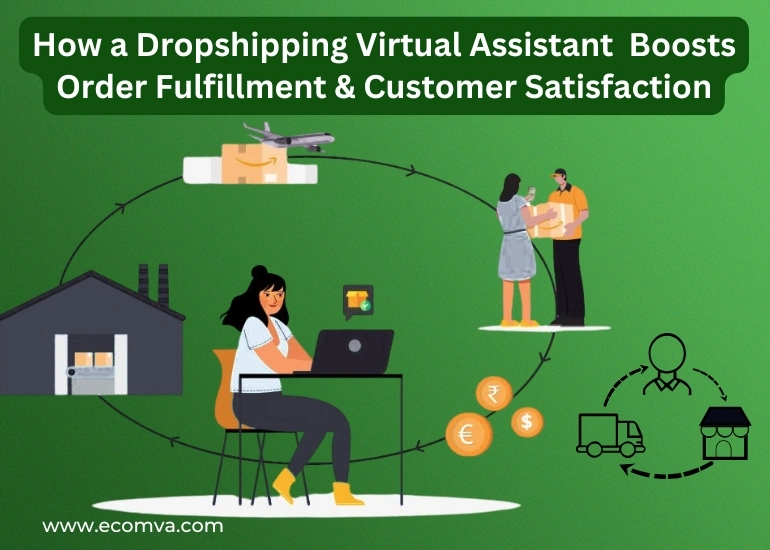
The fulfillment path begins when a customer places an order through the online store. The system receives the order details, and the seller needs to confirm that the product, variant, and shipping information match the store’s records. After that, the order must be forwarded to the supplier. The supplier processes the item, arranges packaging, generates the tracking number, and ships it. Each of these steps includes multiple checks.
A clear order path usually involves:
- Verifying customer information
- Validating SKU-level details
- Checking supplier stock
- Placing order requests
- Confirming shipping windows
- Updating tracking status
- Informing customers about changes
Even a single missing update can slow down the entire process. This is why many stores look for support that can manage each step without gaps.
Why Many Stores Experience Fulfillment Gaps
Different stores face predictable operational issues during fulfillment. The problems usually come from uneven inventory updates, slow supplier replies, missing tracking numbers, or data mismatches inside the store. When a store runs across several platforms, the complexity grows because each marketplace has its own requirements.
Teams that handle Shopify Store Management Services often notice these platform differences during routine operational checks.
Here is a simple view of common gaps and what they cause:
| Fulfillment Gap | Impact on Store Operations |
|---|---|
| Delayed Supplier Confirmation | Slower order processing and extended delivery windows |
| Incorrect Product Data | Higher risk of customer disputes |
| Missing Tracking Updates | More service inquiries and inconsistent records |
| Outdated Inventory Count | Order cancellations due to unavailable SKUs |
These issues affect customer satisfaction and require constant supervision. A structured operational routine is needed to keep orders on track from start to finish.
The Specific Role of a Dropshipping VA in Each Fulfillment Stage
A dropshipping VA supports the fulfillment structure through repeated, detailed tasks that maintain consistency across every order stage. Their work focuses on accuracy and prompt updates.
1. Order Intake and Verification
A virtual dropshipping assistant checks new orders as soon as they enter the system. Each order needs several confirmations. The assistant reviews the product SKU, quantity, shipping address, special notes, and delivery preferences. Any unclear information is flagged and corrected before it moves to the supplier. This step prevents rejected orders and minimizes delays.
Tasks often include:
- Verifying billing and shipping accuracy
- Validating item variants
- Checking the availability of options such as size or color
- Confirming that the supplier can ship to the customer’s region
This early step sets the foundation for a clean fulfillment cycle.
2. Supplier Coordination
A dropshipping manager maintains daily communication with suppliers. This part requires attention because supplier dashboards, emails, and portal notifications change throughout the day. New orders need confirmation, pending orders require follow-ups, and older orders need shipping updates.
A clear routine usually looks like this:
- Reviewing supplier queues
- Confirming order acceptance
- Requesting tracking data
- Verifying packaging timelines
- Following up on any order that remains pending beyond the usual timeframe
This keeps the entire chain organized and prevents silent delays.
3. Inventory Status Tracking
Inventory accuracy determines whether a store can accept new orders without cancellations. An Amazon dropshipping virtual assistant monitors supplier stock levels, discontinued items, and slow-moving SKUs. They update the store catalog when a product becomes unavailable or when variants change.
The tasks in this part include:
- Daily stock verification
- Updating product status inside the store
- Removing unavailable variants
- Tagging items with longer shipping times
- Notifying the store owner about stock-sensitive products
Accurate inventory data reduces errors and maintains customer trust.
4. Shipping Monitoring
Tracking details matter throughout the fulfillment timeline. A dropshipping virtual assistant records tracking numbers when suppliers generate them. They check carrier portals, confirm that labels are active, and monitor the package until the status reaches delivery.
Their process includes:
- Tracking each shipment daily
- Identifying stalled packages
- Reporting delivery exceptions
- Notifying customers about confirmed updates
- Escalating delayed shipments to the supplier
Clear tracking information reduces confusion for both the store and the customer.
5. Customer Communication Flow
Customer updates influence service ratings and repeat orders. A virtual dropshipping assistant prepares replies based on verified information from suppliers and tracking systems. They categorize inquiries into common groups such as shipping updates, product questions, wrong variants, or refund requests. Each message is answered with accurate and specific information taken directly from operational records.
This approach helps customers receive timely replies and gives the store a stable communication rhythm.
Example Workflow: A Realistic Fulfillment Day
This example illustrates how a typical day functions with a virtual dropshipping assistant supporting order operations.
Morning Tasks
- Check new overnight orders
- Validate SKU and variant information
- Flag any mismatches in customer addresses
- Send approved order requests to suppliers
Midday Tasks
- Review supplier dashboards
- Confirm which orders are accepted
- Record available tracking numbers
- Follow up on any pending confirmation
Afternoon Tasks
- Track shipment progress
- Update tracking inside the store
- Respond to customer inquiries
- Notify the store owner about unusual delays
This cycle maintains order movement throughout the day and prevents any request from being overlooked.
Responsibility Breakdown in Modern Dropshipping Operations
| Operation Stage | Store Owner Role | Virtual Dropshipping Assistant Role |
|---|---|---|
| Order Review | Approve summaries | Verify each order detail |
| Supplier Interactions | Approve escalations | Handle daily communication |
| Listing Accuracy | Provide initial data | Correct errors and mismatches |
| Shipment Tracking | Manage rare exceptions | Track all shipments and record changes |
This table shows how responsibilities are divided into manageable segments that support smooth fulfillment.
What to Prepare Before You Hire a VA
This checklist ensures a structured environment for your assistant:
- Access to supplier portals
- Order management instructions
- List of preferred suppliers
- Communication rules for daily updates
- Guidelines for handling returns
- Product details and variations
- Escalation instructions for delayed orders
A clear setup allows the assistant to work with fewer interruptions.
Industry-Specific Fulfillment Situations
Different business categories require different fulfillment routines. A dropshipping VA adapts the workflow based on product type and store format.
Fashion and Apparel
- Frequent variant updates
- Size-related return management
- Seasonal stock fluctuations
Health and Beauty
- Product detail accuracy checks
- Packaging requirements
- Ingredient-based restrictions for shipping
Electronics
- Verification of technical specifications
- Warranty-related records
- Sensitive shipping timelines
Home and Lifestyle
- Bulk order coordination
- Mixed-SKU packaging checks
A dropshipping manager reviews these details regularly to maintain reliable store performance.
Operational Support Readers Can Expect from EcomVA
Dropshipping stores depend on steady order handling, accurate inventory checks, and timely communication. EcomVA offers structured support for these daily tasks through trained assistants who follow clear routines. A virtual dropshipping assistant from the team focuses on consistent execution, detailed reporting, and predictable workflows.
Here is what this support usually covers:
- Order verification
- Supplier follow-ups
- Catalog adjustments
- Shipping updates
- Customer responses
- Product data accuracy checks
Each task is handled with fixed procedures, which helps prevent missed updates or incomplete information inside the store.
Some stores require marketplace-specific handling, especially where listing formats and fulfillment rules differ. An Amazon dropshipping virtual assistant manages these requirements through:
- Listing accuracy reviews
- Order queue monitoring
- Variation and SKU checks
- Tracking verification for all shipments
This creates a stable operational environment for stores that handle steady order volume.
When a business wants long-term structure, it can hire dropshipping expert assistance from EcomVA. The goal is simple: maintain smooth daily operations so the store owner can focus on planning, product selection, or marketing tasks without interruptions in fulfillment.
Final Summary
Smooth fulfillment depends on a predictable workflow and timely updates. A virtual dropshipping assistant handles order verification, supplier coordination, tracking follow-ups, and customer communication with steady attention. Their involvement reduces fulfillment gaps and keeps store records clean and updated. The tasks are structured into manageable routines that support day-to-day operations.
With support from a trained assistant, the store maintains consistent performance, and the owner gets the freedom to focus on planning, product research, and overall direction.
FAQs
1. How does a dropshipping VA help prevent fulfillment delays?
A dropshipping VA tracks pending tasks throughout the day and closes gaps before they slow down the workflow. They monitor supplier response times, verify order details immediately, and follow up on stalled shipments so delays are spotted and resolved early.
2. What information should a store owner share before assigning fulfillment tasks to a VA?
A store owner should provide supplier access details, order routing rules, product variations, packaging expectations, and escalation instructions. These details allow the VA to follow the store’s exact workflow from day one.
3. Can a dropshipping VA manage multiple suppliers at the same time?
Yes. They maintain separate communication logs, track each supplier’s handling time, and organize order status updates by vendor. This prevents confusion when different suppliers follow different processing routines.
4. What makes a dropshipping VA helpful for customer communication?
They work with verified order, tracking, and supplier data. This allows them to give customers accurate updates, avoid guesswork, and provide responses that match the store’s policies.